
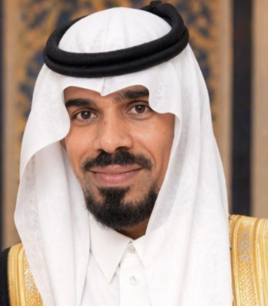
Ahmad Ali AlHakimi is described as a co-founder associated with Saudi Arabia and as a professional with 12 years of experience in sales and marketing. These details provide a starting point for understanding his professional profile, while leaving important specifics such as the precise organization connected to his co-founder role and the responsibilities involved unspecified. A careful overview therefore focuses on the information available rather than making assumptions about his position, the company’s structure, or the scope of his work.
His stated experience in sales and marketing places commercial communication, customer engagement, and market development among the central themes of his career. Over 12 years, professionals in these fields may work across different products, audiences, and business settings; however, the available information does not identify particular employers, campaigns, achievements, or industries in AlHakimi’s case. It is most accurate to describe his background at this level and to treat further details as unconfirmed unless supported by reliable sources.
The reference to regional markets also frames this profile, suggesting that his professional background is considered in a regional context. It does not, on its own, establish which countries or territories he has worked in, what markets he has served, or the extent of his responsibilities there. This article offers an overview of Al Hakimi’s stated experience and regional relevance while distinguishing confirmed points from unanswered questions. By keeping those limits clear, readers can gain a useful introduction to his career without overstating what is known. Further verified information about his roles, organizations, and market experience would help build a fuller account of his professional path and clarify how his sales and marketing work relates to the co-founder description associated with Saudia.
Al Hakimi’s stated twelve years of experience in sales and marketing represents a period working with the commercial activities that connect organizations with customers and markets. The length of this experience may indicate familiarity with how customer expectations evolve, how products and services are presented, and how relationships are maintained over time. However, duration alone does not establish particular achievements, sectors, or responsibilities. It is best understood as a stated career span that provides context for considering the knowledge often developed through involvement in these fields. Such work can require adaptability, judgment, and attention to priorities.
Sales and marketing are connected disciplines, but each contributes in distinct ways. Marketing commonly involves learning about audiences, identifying relevant needs, and shaping messages about the value an organization offers. Sales brings that value into commercial conversations, where listening, explaining options, addressing concerns, and agreeing on suitable next steps can be central. In either discipline, understanding customers is more than collecting information; it means interpreting what people consider useful and communicating in language they can assess. Over time, this work can help professionals recognize questions, respond appropriately to different circumstances, and support informed choices without treating every customer or market as identical.
These capabilities may also contribute to commercial relationships and business growth. Consistent communication can build trust, while reliable follow-up can help maintain contact beyond an initial transaction. Coordinating market insight with sales activity may enable an organization to refine how it presents an offering and where it directs attention. Results depend on many factors, including the product, competitive conditions, team resources, and customer context, so no particular outcome should be inferred from years of experience alone. Al Hakimi’s stated tenure therefore offers a frame for discussing professional exposure to customer-facing work, rather than evidence of specific campaigns, employers, or measurable performance.
Available descriptions of Ahmad Ali Al Hakimi’s professional background associate him with co-founding Saudia and with experience related to the Emirati market. These references offer a limited outline rather than a detailed account of his responsibilities, dates, or results. They do not explain what Saudia is, what it does, or how Al Hakimi contributed to its creation and development. Accordingly, the connection is best treated as a reported element of his career, not as evidence for any particular role, operating model, or business outcome. Keeping this distinction clear helps place the information in context without extending beyond what has been stated.
Experience connected to the Emirati market may offer useful familiarity with the commercial and cultural setting in which organizations operate. In broad terms, knowledge of local expectations, customer preferences, communication styles, and business practices can help professionals understand how products and messages may be received. Such familiarity can also support informed discussions about regional differences and the importance of adapting approaches to a particular market. These are general reasons that regional experience can matter; they do not establish which activities Al Hakimi undertook, which sectors he encountered, or what knowledge he gained. The available description does not define the duration, depth, or precise scope of his Emirati market experience.
Read together, the reported Saudia association and Emirati market connection suggest a professional background with links to regional business contexts. However, the information provided does not supply enough detail to assess the nature of the co-founding relationship, identify specific responsibilities, or measure any outcomes. It would therefore be premature to attribute particular sales, marketing, expansion, or leadership achievements to either connection. A fuller account would need to clarify Saudia’s identity, Al Hakimi’s role in its founding, and the settings and responsibilities encompassed by his market experience. Until then, these details are best understood as broad indicators of professional exposure, while the potential value of regional familiarity remains a general observation rather than a claim about documented results.
Arabic communication can be a practical asset in sales and marketing, particularly when professionals engage with customers who prefer to discuss needs, products, or service details in Arabic. In customer-facing settings, speaking a customer’s language may make an exchange more accessible and help clarify questions, expectations, and next steps. It can also support the early stages of a relationship by signaling attentiveness and making routine interactions feel more direct. For a sales or marketing professional working across regional markets, this capability may be relevant in conversations with local buyers, partners, and other stakeholders.
Language ability can also help professionals adapt how they present information. A conversation may call for a different emphasis than a written campaign, and a customer’s questions can guide which product benefits or service details deserve attention. Using Arabic where appropriate may help make explanations and follow-up more audience-aware, while supporting clearer, more personal exchanges. Effective communication still depends on listening, product knowledge, cultural awareness, and an understanding of the customer’s context; language alone does not guarantee a successful outcome. Nor does the ability to communicate in Arabic establish a particular level of fluency, command of a specific dialect, or knowledge of other languages.
In a career spanning sales, marketing, and regional markets, Arabic communication skills may complement professional experience by helping bridge everyday interactions with customers and contacts. Regional exposure can offer context for understanding varied market needs, while sales and marketing experience can inform how conversations and messages are shaped. These elements work together most effectively when communication is responsive to the audience and grounded in the relevant business objectives. Taken as a whole, experience, market exposure, and the ability to communicate in Arabic can provide a useful foundation for relationship-building across Arabic-speaking customer settings, without implying a specific level of language proficiency or a uniform approach to the region.